The Stamp Is Real
Food Investigation
Fake alcohol runs on a simple economy. Methanol is cheaper than ethanol, it gets you drunk, and for the first few hours it feels like a bad night. Then it goes after the optic nerve. The UK government says as little as a single shot can kill an adult. In November 2024, six tourists died of suspected methanol poisoning after a night out in Vang Vieng, Laos. Laos later said it couldn't determine a cause because no autopsies were done. In Punjab in 2020, illicit liquor killed 121 people across three districts. Kenya is one of 29 destinations that now carry methanol warnings in UK government travel advisories, but Kenya didn't need the warning. The country was well aware that in 2000, an illegal brew killed around 140 people in Nairobi and Kiambu. In 2014, two outbreaks within months of each other poisoned roughly 341 and then 126 people. A Doctors Without Borders (MSF) study put the death rates at 29 and 21 percent, working from news reports, hospital calls and site visits, so read those as close estimates rather than a registry. In February 2024, a brew in Kirinyaga killed a number of people, and the National Authority for the Campaign Against Alcohol and Drug Abuse (NACADA) said at the time that it could not yet say what was in it.
What's different now is where people think the poison is. The risk used to be drinks that you knew were outside the law, but the current fear is the branded bottle in a licensed shop. In September a young man died in Naivasha after an alleged drinking competition, and Kenyans began posting about strange hangovers after ordinary purchases of alcohol. There is still no public lab finding that the drink was counterfeit or that it caused his death. That's a question for toxicology, not for the timeline.
The numbers don't quite match the fear. The Anti-Counterfeit Authority (ACA) told Parliament in May that counterfeit alcohol is a narrower part of the wider illicit alcohol problem, and the government's own seizure figures lean the same way. Between December and April, the crackdown recovered more than 2.8 million liters, much of it kangara and traditional brews from the Rift Valley, Nyanza and the East. Nairobi's seizures, logged as counterfeit, came to about 309,000 liters. Smaller doesn't mean safe to ignore. It's the one part of the problem built to look exactly like the real thing.
The enforcement is real. NACADA ran a ten day operation across eight Nairobi sub counties in late August and made 11 arrests. On September 2nd a raid in Kayole seized more than 4,000 counterfeit products.
Then there's the detail I can't get past. The ACA has also told Parliament that genuine branded bottles get refilled with unsafe products. Toxicologist Joseph Wahome Mukundi has said that for most of the brands being faked, you can't tell a fake just by looking.
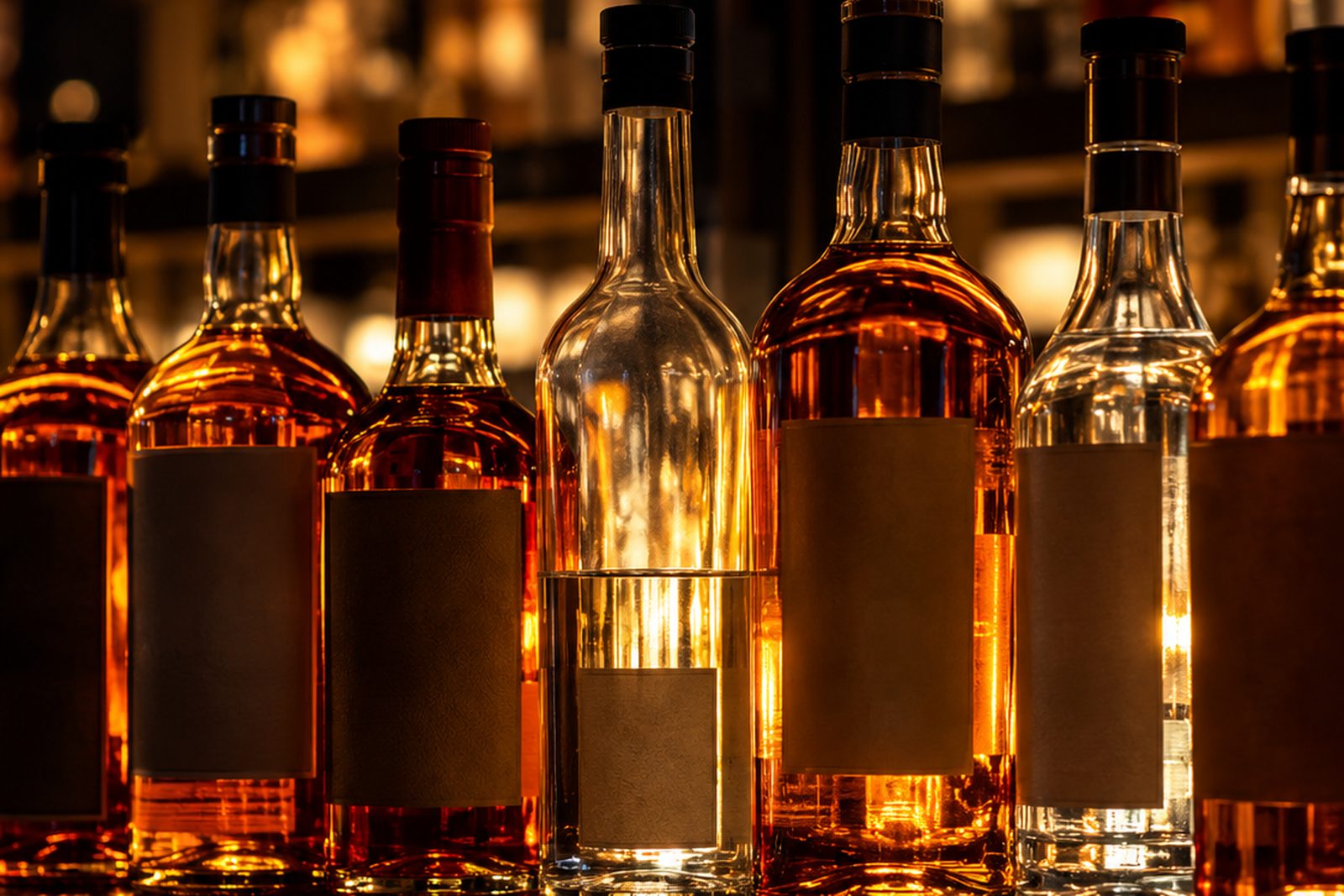
I'm planning on opening a bar. The tool on offer is the Kenya Revenue Authority's (KRA) Soma Label app, which verifies that the excise stamp on a bottle is authentic. That's what it checks. The stamp. KRA's own material describes counterfeiting mainly as a threat to revenue, with substandard products named alongside it. The stamp was built to protect tax collection. Put that next to what the ACA told Parliament and the gap is plain. A real stamp tells you the stamp is real. It can't tell you the liquid inside is the liquid that stamp was issued for.
So I'll scan the stamps, and they'll be real. Then someone will order a drink from me and trust my shelf the way I'm being asked to trust a sticker.
— Chef Dumela